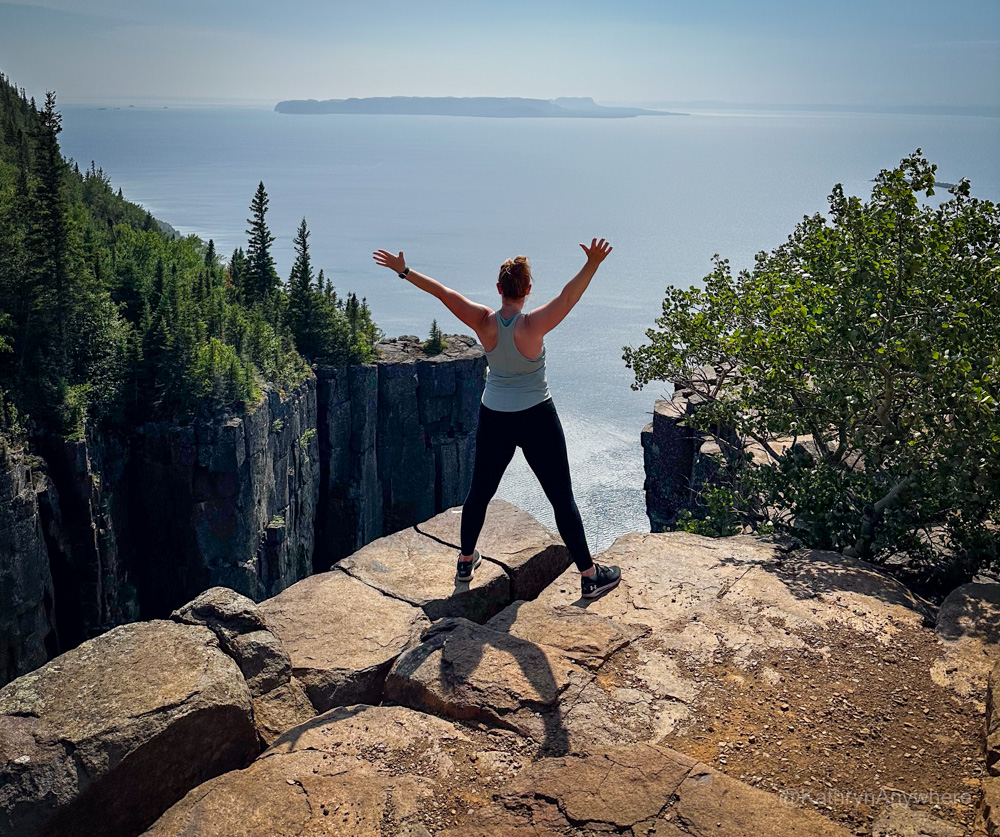

Camping has gotten really fricking expensive lately.
Scroll Instagram, and suddenly everyone’s campsite looks like a Patagonia catalogue exploded in the woods. Rooftop tents. Designer enamel mugs. Camp kitchens that cost more than my first car. And the clothing? Wow, fresh out of the latest Columbia or Helly Hensen summer clothing line.
Meanwhile, the actual point of camping, you know, being outside, simply being in nature, is sitting quietly in the corner like, “Hello? Remember me?”
Here’s the truth: camping does not have to cost a fortune. At its core, it’s simple. As I told the Canadian Press recently, when you go camping, you’re going to be simple, and you’re going to be in nature; sometimes, all you really need is a folding chair or hammock, some trees, and a book.
So if you want the campfire, the stars, and the smug satisfaction of waking up with pine needles in your hair, but without emptying your bank account, here are some practical ways how to save money camping.
And yes, this is written by someone who loves camping but also enjoys keeping money in her wallet for good snacks and expensive wine.
How to Save Money Camping
Camping used to mean throwing a tent in the trunk, grabbing a cooler, and heading for the woods. Somewhere along the way, it turned into a full-blown gear Olympics. Suddenly, people think they need $3,000 worth of equipment just to sleep outside.
You don’t.
If you want to save money on camping, the trick is brutally simple: focus on the essentials, skip the fancy upgrades, and remember the real reason you’re out there, which is trees, fresh air, and a campfire that makes everything taste better.
1. Stop Buying Every Piece of Camping Gear
Outdoor retailers would love you to believe camping requires a small mountain of equipment.
It does not.
You need:
-
A tent
-
Something to sleep in
- Something to store food in
-
Something to cook with
-
Something to sit in
That’s basically it.
If you’re just starting out, borrow gear. Ask friends. Raid your parents’ basement. Check Facebook Marketplace. Browse the Last Hunt. Rent. Camping gear is one of those things people buy with good intentions and then abandon after one or two trips.
And if you’re not even sure camping is your thing yet, try one of the Parks Canada Learn-to-Camp programs, where the gear is provided so you can test it out before buying anything.
Hot tip from me to you: do not invest thousands of dollars before you know you actually enjoy sleeping outside.
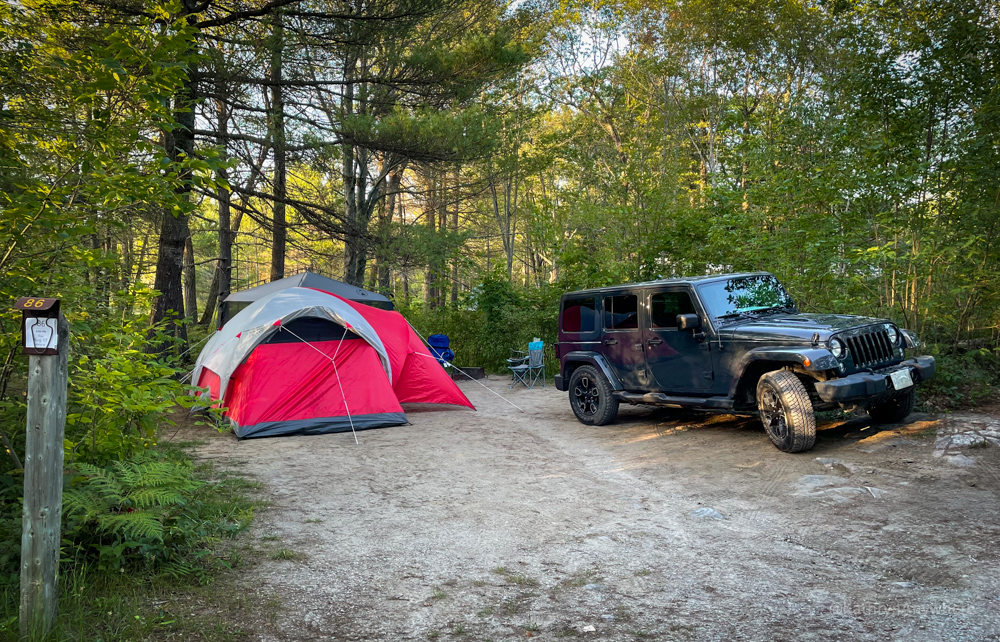
This small tent that I use and love cost me $100 from a friend who was going to sell it at a garage sale. I took it off his hands instead. For years, it suited my kids and me. My kids and I are now too big to all fit in there together, so I’m on the hunt for something a bit bigger for our dog and us.
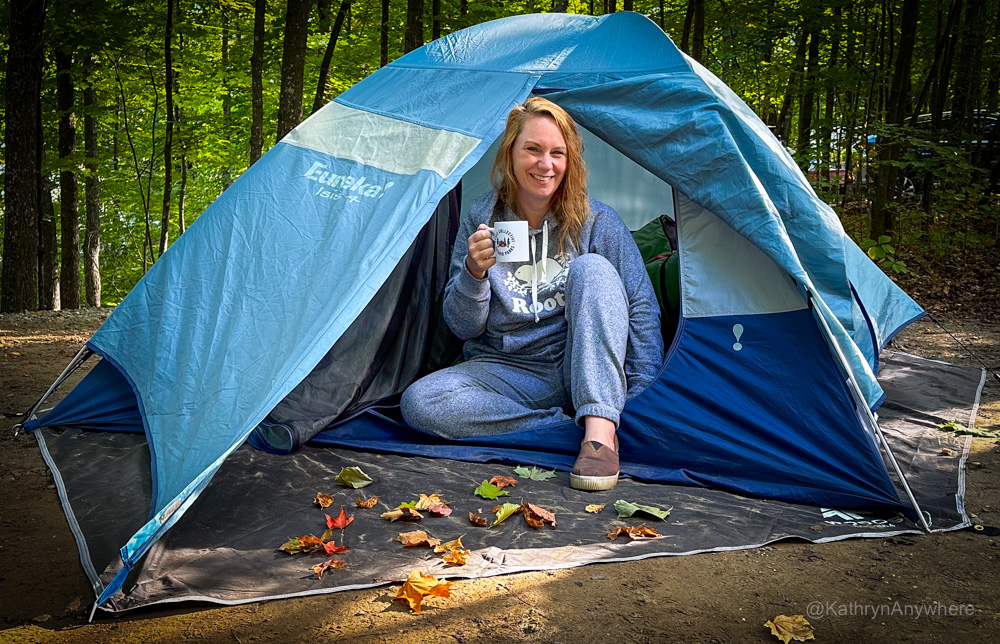
Also, camping is not a fashion show. I camp in clothes I’ve owned for a decade or more. You’ll find me in old hoodies, beat-up hiking pants, and T-shirts that have seen enough campfires to qualify as vintage. When you’re camping, you’re going to get dirty, sweaty, smoky, and possibly covered in bug spray.
Comfort and practicality matter far more than looking cute for Instagram. The woods do not care if your outfit is new, technical, or colour-coordinated. They care whether you’re warm, dry, and comfortable enough to sit by the fire long after the sun goes down.
2. Use Your Kitchen Instead of Buying “Camping Versions”
The camping aisle is full of gear that is literally just your kitchen… but smaller and three times the price.
Instead of buying specialty items:
Bring from home:
-
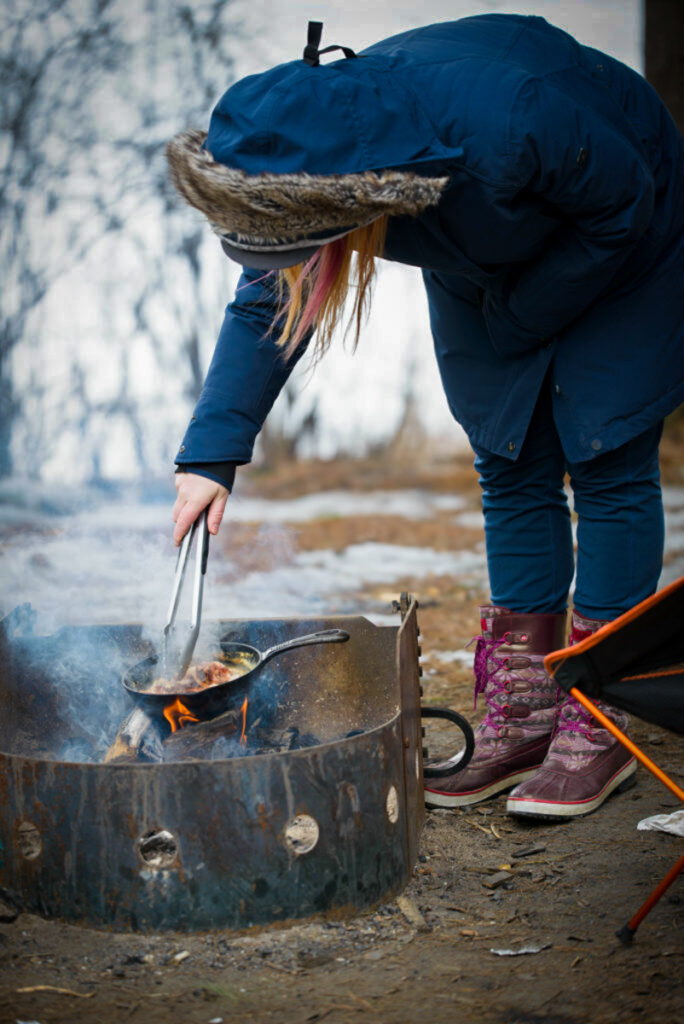
An old pot
-
A frying pan
-
A spatula
-
A knife
-
Plates and mugs
Reusable utensils are also a simple way to cut down on costs and waste, rather than constantly buying disposable cutlery for trips.
Camping stores will try to sell you titanium sporks like they’re rare artifacts. Don’t buy into that unless you’re hitting Everest Base Camp.
Your fork from home works great. So does a cutlery set from Dollarama.
3. Plan Your Food Before You Leave
If you’ve ever bought groceries at a campground store or tiny tourist-town convenience store, you know the wallet pain.
A bag of chips costs twelve dollars.
Milk is somehow fourteen. And marshmallows? Well, that’s now worth a gold bar.
Suddenly, your “cheap camping trip” has turned into a luxury grocery run (here’s looking at you, camp stores).
Planning meals ahead of time is one of the easiest ways to save money and prevent food waste when space in the cooler is limited.
Easy budget camp meals:
-
Pre-made pasta salad
-
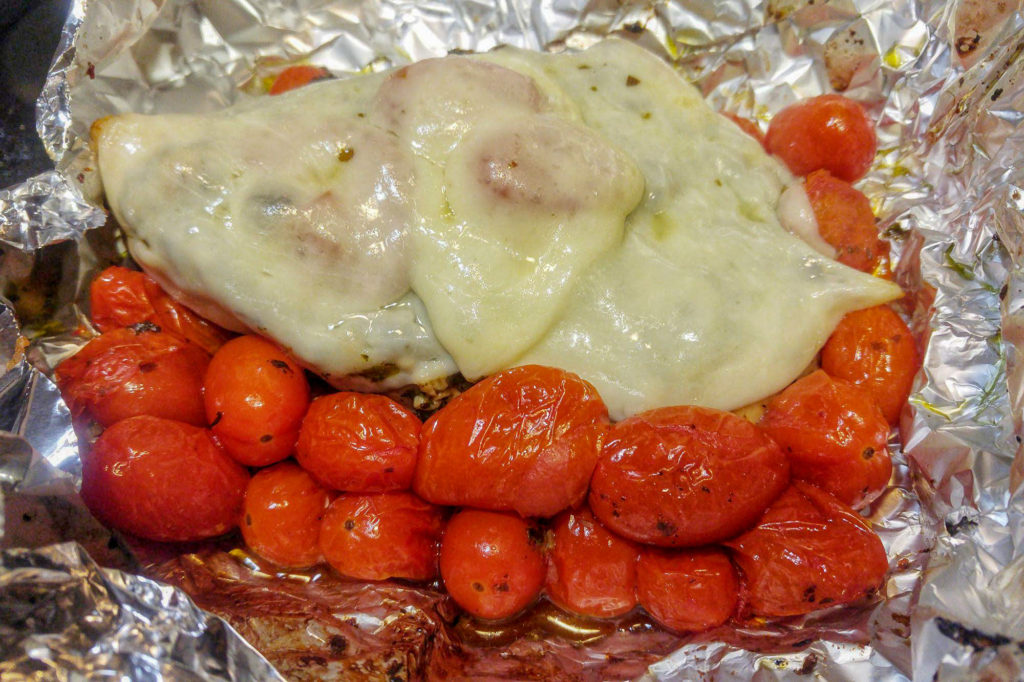
Foil packet veggies and sausage
-
Chilli cooked at home and reheated (over the fire!)
-
Breakfast burritos
-
Sandwich supplies
And bring snacks. Always snacks.
Nothing turns friends into enemies faster than hangry hikers (it’s me, I am a hangry hiker).
4. Camp Close to Home
Gas is expensive. Ferries are expensive. Cross-province road trips are… also expensive.
One of the simplest ways to cut camping costs is to stay close to home.
You don’t need to drive six hours into the wilderness to feel like you escaped real life. It’s nice to get away and explore, yes. But… Ontario alone has:
-
Provincial parks
-
Conservation areas
-
Crown land
-
Local campgrounds
And the bonus?
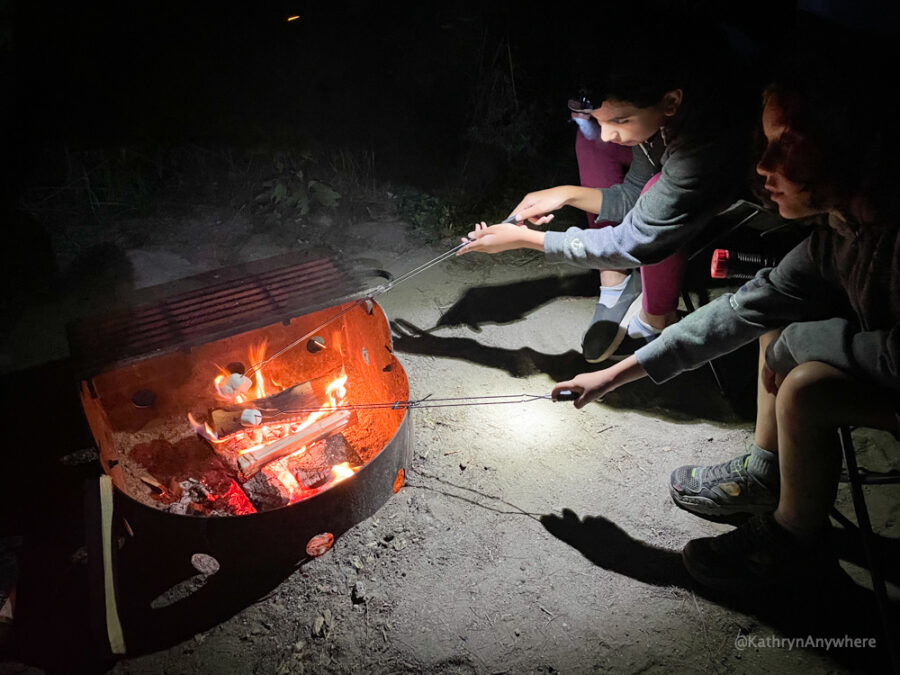
Less driving means more time sitting around the fire doing absolutely nothing.
Which, frankly, is the entire point.
5. Remember Why You’re Actually There
Camping is not a performance sport.
You don’t need:
-
A $700 cooler
-
A curated campsite aesthetic
- The newest Mammot fashions
-
Matching flannel outfits
-
A drone shot of your morning coffee
You need fresh air.
Trees.
Maybe a lake.
And if you’re lucky, a quiet morning with coffee in a dented mug and the sound of loons echoing across the water.
That’s the good stuff.
Everything else is just marketing.
🔥 Ready to Actually Go Camping (Not Just Talk About It)?
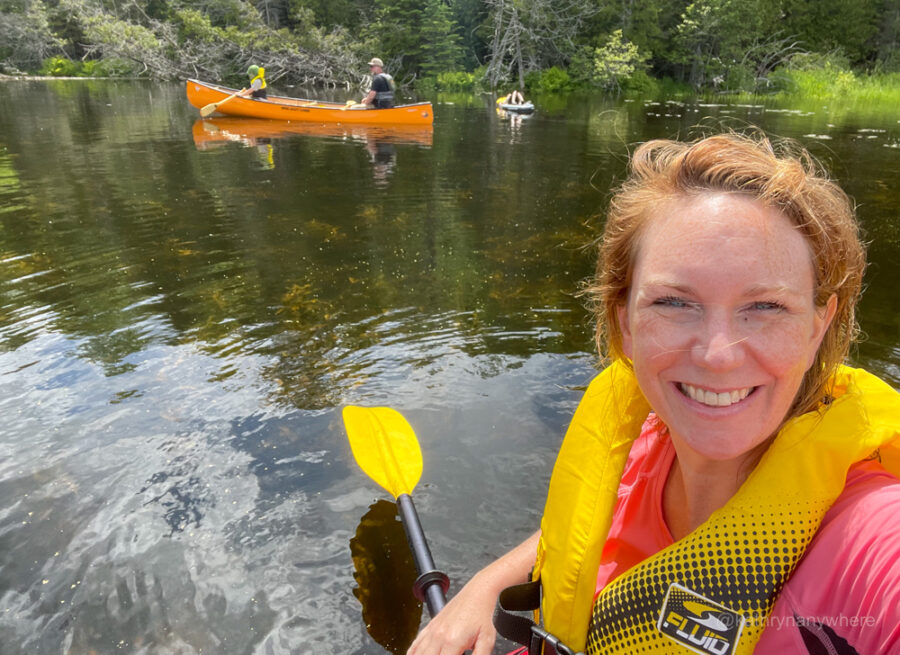
Alright, we figured out how to save money camping… now let’s get you out there. Whether you’re hauling a canoe, testing your relationship on a portage, or just trying not to freeze in a tent in October, I’ve got you covered.
- 🚣♀️ Canoe Portage With Friends — equal parts adventure and group therapy
- 🌲 Serpentine Loop in Kawartha Highlands — 20 photos that will make you pack immediately
- 🏕 Learn to Camp — for when you’re like “I have no idea what I’m doing.”
- ✨ Presqu’ile Provincial Park + Minka Tent — a little bougie, still outdoorsy
- 🍂 Silver Lake Provincial Park — peak fall camping vibes
- ❄️ Winter Camping in Ontario — because apparently we like challenges
Go. Book the site. Pack the snacks. Touch some trees.
Final Thoughts: Cheap Camping Is Still Great Camping
Camping doesn’t have to be expensive. If you focus on the basics, borrow what you can, plan your meals, and remember the goal is to be outside, you can have an incredible trip without spending a fortune.
And honestly?
The cheaper the campsite setup, the more satisfying the beer tastes around the fire.
Science probably supports that. My science, fight me on it.
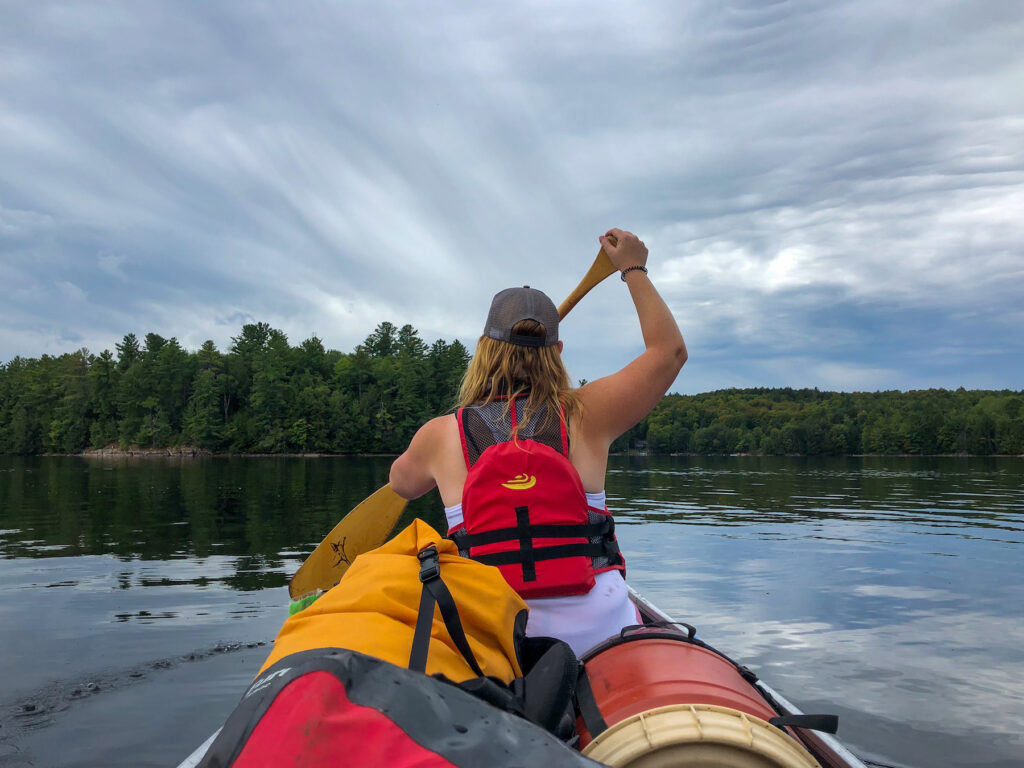
If camping really isn’t for you, but you want to visit the great Ontario wilderness, check out the accommodations around our lower Algonquin area. No camping, but access to nature right there.
KathrynAnywhere is a participant in the Stay22.com Affiliate Program. We may receive a commission if you make a purchase after clicking on one of these links.
